Top 10 CES 2026 Innovations Shaping the Future of Work and Tech

CES 2026 did not disappoint – this year’s Consumer Electronics Show was packed with groundbreaking gadgets, surprising innovations, and downright strange tech poised to redefine how we work and live. From AI-powered devices to futuristic workplace tools, the CES 2026 floor unveiled the technologies that will drive productivity and creativity in the years ahead. Below, we highlight the top 10 officially announced innovations from CES 2026 that are set to shape the future of work and tech.
1️⃣ Intel Core Ultra Series 3 Chips Kickstart a New Era of Computing
Intel stole the show with its Core Ultra Series 3 processors (code-named Panther Lake), ushering in a new era for laptops and workstations.
Debuted during Intel’s keynote, these 18A-process chips deliver major leaps in speed and efficiency over their predecessors (Lunar Lake), enabling laptops to achieve desktop-level performance while sipping power. In fact, Intel demonstrated cutting-edge games running at 140+ FPS without a dedicated GPU, thanks to the Ultra 3’s potent onboard graphics. Beyond gaming, professionals can expect over 20 hours of battery life on upcoming notebooks, meaning your next work laptop could easily last through two full workdays on a single charge. With Panther Lake chips set to arrive in new devices, 2026 will kick off a productivity boom powered by AI-ready silicon and unprecedented mobile performance.
2️⃣ Lenovo Legion Pro Rollable Expands Laptop Screens On Demand
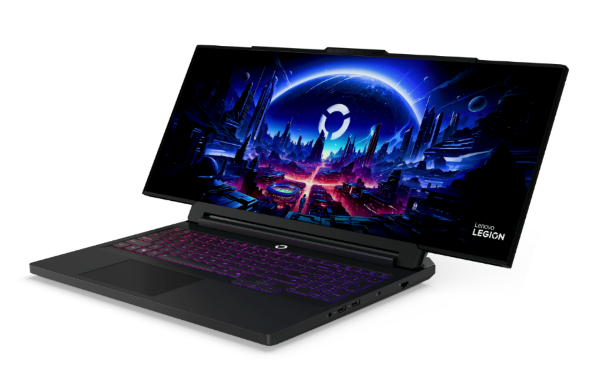
PC maker Lenovo turned heads at CES with the Legion Pro Rollable, a concept laptop featuring a rollable display. At first glance, it looks like a standard 16-inch notebook, but with a tap, it unfurls vertically into a 24-inch ultrawide screen – effectively merging a laptop with a desktop monitor. The prototype wowed attendees by stretching from a 16:9 aspect ratio to an expansive 24:9 canvas with a smooth 240Hz refresh rate. This means whether you’re editing an Excel sheet, coding, or gaming after hours, the screen can adapt to give you the ideal workspace.
While still in concept stage, the Legion Rollable signals a future where business travelers and remote workers can carry a big-screen, multi-window experience in a compact laptop. It’s a game-changing design that could bridge the gap between mobility and productivity – one that Lenovo fans are eagerly praying makes it to market.
3️⃣ Samsung’s Crease-Free Foldable Display Eliminates the Folded Line
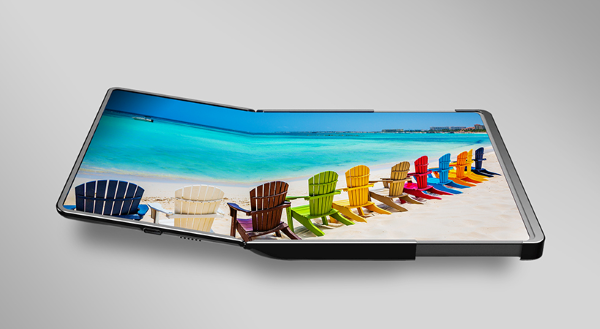
Foldable phones and tablets took a huge leap forward at CES 2026. Samsung Display showcased its “Mont Flex” crease-free OLED prototype, seemingly solving one of the biggest complaints about foldables – the visible crease down the middle. Attendees closely examined the screen from all angles and could not spot any fold line whatsoever. The panel unfolds completely flat with almost no bezel gap, offering a seamless tablet-like display when open. Samsung even placed this advanced panel side-by-side with the current Galaxy Z Fold 7 reference design, highlighting just how invisible the crease is in comparison. This innovation promises to make foldable devices far more appealing for everyday work tasks, since reading, writing, or drawing across the center of the screen will feel just like a normal tablet.
With rumors of Apple eyeing similar tech for an iPhone Fold, crease-less foldables could become the new standard – eliminating a major pain point and making folding-screen laptops and phones a credible tool for productivity.
4️⃣ Xreal 1S Smart Glasses Blur the Line Between Virtual and Reality
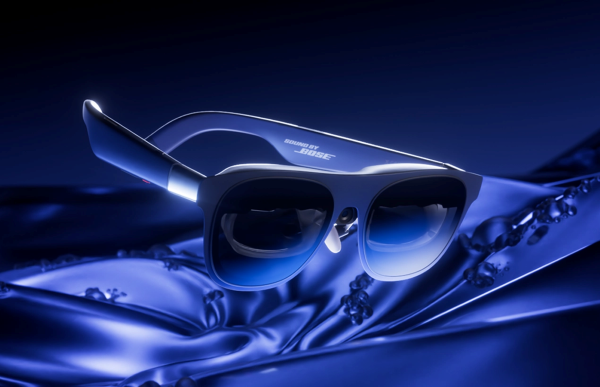
Augmented reality for the workplace got a boost with the debut of the Xreal 1S AR glasses. Touted as one of the best smart glasses of CES 2026, the Xreal 1S delivers big features in a slim, affordable package. These glasses project a crisp 1200p display (16:10 aspect) in front of your eyes, giving you a private virtual screen for work or media. That extra vertical resolution is great for productivity, allowing more lines of code or larger documents to be viewed in your field of view. The updated X1 chipset inside not only enhances clarity, but can also convert any 2D content into 3D on the fly – perfect for visualizing CAD designs or enjoying 3D video demos. Impressively, Xreal managed to improve the specs of its prior model while dropping the price by $50, making the 1S one of the most accessible AR solutions for everyday use.
Whether you’re collaborating via a virtual monitor or getting hands-free guidance on a technical task, these AR glasses hint at a future where immersive, heads-up information is part of our daily workflow.
5️⃣ Dell XPS 14 (2026) – The Laptop King Returns with Power and Stamina
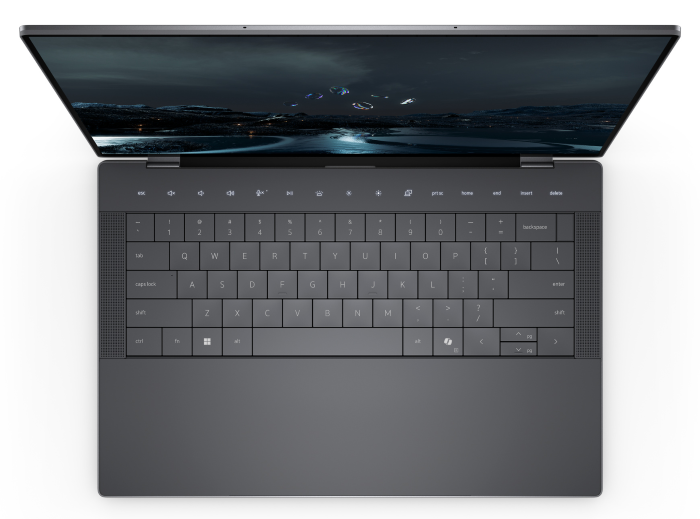
After a hiatus, Dell’s beloved 14-inch XPS laptop made a triumphant return at CES – and it came back stronger than ever. The Dell XPS 14 (2026) earned “Best Laptop” honors for packing high-end specs into an ultra-compact, premium design. Dell managed to fit the latest Intel Core Ultra 3 CPU and even a vibrant OLED panel (scaling down to 1Hz refresh for power saving) into a chassis smaller and lighter than a MacBook Air. Business users will cheer the return of a physical function key row (no more troublesome touch bar) and the subtly etched touchpad outline, which make the XPS 14 as practical as it is stylish. Perhaps most impressive is the battery life – a redesigned 70 Whr battery promises up to 27 hours of runtime on the 2K LCD model. That kind of longevity, combined with the XPS line’s renowned build quality, means mobile professionals can work all day (and then some) without scrambling for an outlet.
In short, Dell listened to its users and delivered a laptop that marries power, portability, and endurance – a true companion for the modern workplace.
6️⃣ Asus Zenbook Duo (2026) – Dual Screens Finally Come of Age
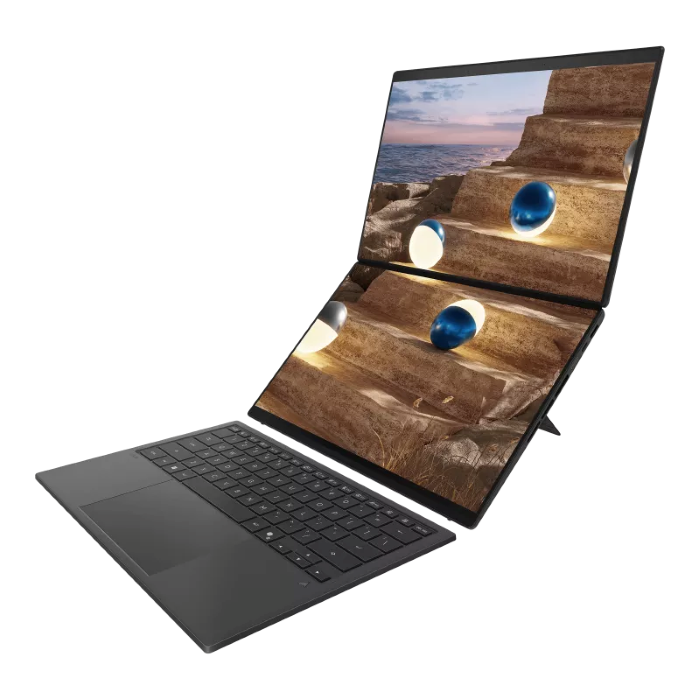
Asus turned heads by refining its bold dual-screen laptop into a more polished productivity machine. The Zenbook Duo (2026), awarded Best 2-in-1 at CES, shows that two screens are better than one – when done right.
This year’s model introduces a seamless 14-inch secondary touchscreen that sits flush above the keyboard, eliminating the distracting gap that plagued earlier versions. The engineering tweaks don’t stop there: Asus slimmed down the chassis, improved weight distribution by sharing the battery across both halves, and gave the device a sleek aluminum finish. Under the hood, the Zenbook Duo packs the same ultra-efficient Intel Core Ultra Series 3 chip as other flagship laptops, ensuring that running two displays won’t kill your battery. The result is a dual-screen convertible that feels like a single cohesive device rather than a gimmick. You can have a video call or reference material on the bottom screen while editing or coding on the top – a multitasker’s dream.
With the ergonomic issues solved and battery life boosted, dual-screen laptops like the Zenbook Duo could finally break into the mainstream and redefine portable productivity.
7️⃣ Lenovo Yoga Mini i and Qira AI: Desktop PC Meets Smart Assistant
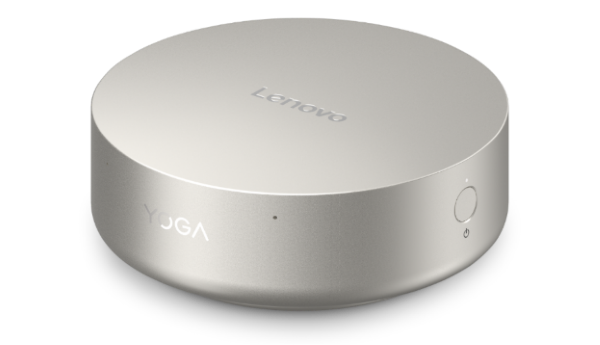
Who says desktop PCs can’t be innovative? Lenovo introduced the Yoga Mini i, a compact “puck” PC that not only saves space but doubles as an AI assistant hub on your desk.
Powered by the new Intel Ultra 3 chips and loaded with ports (including dual Thunderbolt 4), this mini PC packs plenty of punch for office tasks. But its standout feature is serving as the physical home for Lenovo’s new Qira AI assistant. Using built-in Wi-Fi sensing, the Yoga Mini i actually detects when you approach your workspace and greets you with a customizable ambient glow. A simple tap on the top summons Qira, and thanks to far-field mics and a built-in speaker, you can interact with your AI aide hands-free while you work.
Imagine walking up to your desk and asking Qira to pull up the day’s schedule, join a video meeting, or adjust the room’s smart lighting – all without opening an app. This clever design transforms a mini PC from something that hides behind a monitor into an interactive desktop companion. It’s a glimpse of PCs evolving beyond their traditional role, integrating voice AI and presence awareness to make our work routines more seamless and intuitive.
8️⃣ Ascentiz H1 Pro Exoskeleton – Wearable Support for Heavy Lifting
One of the more eye-catching innovations on the CES floor was the Ascentiz H1 Pro, an ultra-lightweight wearable exoskeleton designed to augment human movement.
This hip-mounted exosuit uses AI to analyze your stride and provide motorized assistance, resulting in remarkably natural and comfortable movement while you wear it. Unlike older exoskeletons that were bulky and tedious to strap on, the H1 Pro is surprisingly light (just 4.4 lbs) and can be attached in a snap. It even folds down to the size of a small gym bag for easy transport. Despite its slim profile, it can offset a significant amount of weight – perfect for workers who lift heavy objects or hikers looking to take stress off their joints.
New for 2026, the company also announced a modular Ascentiz H+K model that combines the hip unit with a knee-support exoskeleton for even greater power when needed. This flexibility means users can wear either unit standalone or both in tandem for maximum assistance.
With the H1 Pro and its siblings, wearable robotics are becoming practical and accessible, hinting at a future where anyone from warehouse employees to rehab patients could don an exosuit to reduce strain and boost endurance on the job. It’s an exciting development that could make physically demanding work much safer and more efficient.

9️⃣ Humanoid Robots Are Joining the Workforce
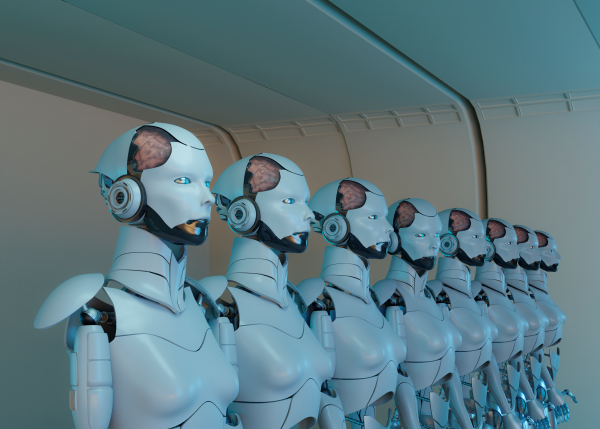
Robots aren’t just science fiction anymore – CES 2026 showcased several humanoid robots that are ready to work side by side with humans.
Leading the pack, Boston Dynamics officially introduced Atlas in a production-ready form, marking the first time this bipedal robot is moving from the lab to real jobs. The new Atlas model stands at human height with 56 degrees of freedom and a 7.5-foot reach, able to lift 110 pounds and operate continuously thanks to a hot-swappable 4-hour battery. In fact, Boston Dynamics announced Atlas will begin pilot deployments at a Hyundai manufacturing plant in 2026 – a huge step from its prior status as a research project. Meanwhile in the home, LG debuted its CLOiD robot as part of a “Zero Labor Home” vision, and it wowed audiences by performing real household chores autonomously.
In a live demo, CLOiD folded laundry, loaded a dishwasher, and even prepared simple meals using standard kitchen appliances. With a wheeled base, adjustable torso, and two five-fingered arms, CLOiD is equipped to navigate a house and manipulate everyday objects with ease. LG’s custom AI (“Affectionate Intelligence”) lets it interpret voice commands, recognize family members, and anticipate needs as a helpful domestic assistant.
From factory floors to living rooms, these examples show how robotic co-workers and assistants are rapidly becoming a reality. They promise to handle repetitive or strenuous tasks – whether it’s stocking a warehouse or tidying your home – freeing humans to focus on higher-level work and caregiving.
The age of robots working among us has truly begun.
🔟 Nygma Cloud – Zero-Knowledge Encrypted Cloud Storage for the Next-Gen Workplace
In the realm of data security, Nygma Cloud emerged as a standout innovation of 2026, bringing unprecedented privacy to cloud storage.
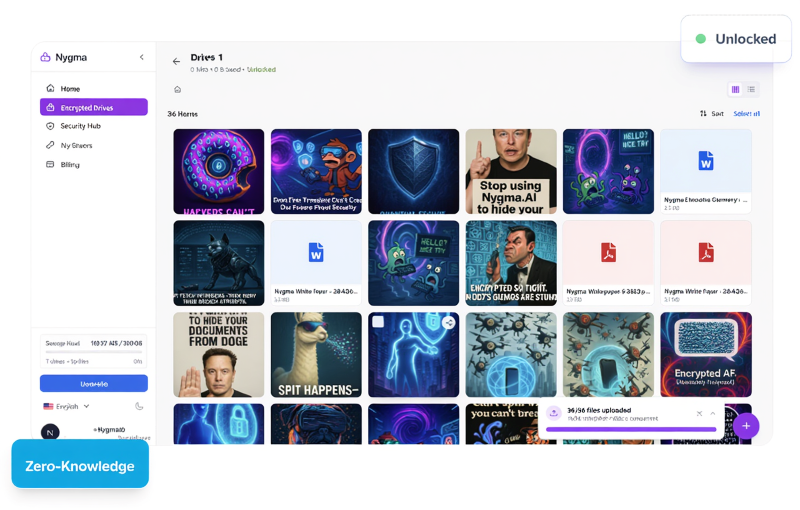
Nygma is a zero-knowledge cloud drive – meaning all your files are encrypted on your device before they ever reach the cloud, and not even the service provider can peek at your data. It essentially creates an impenetrable fortress around your files, with a suite of advanced security features designed for ultra privacy-conscious users.
For example, Nygma’s unique Duress Mode (aka Ghost Protocol) allows you to enter a special password under coercion, and the system will load a decoy set of “safe” files – completely hiding your real encrypted drives without the attacker suspecting a thing. It also offers an automated Time Bomb feature for self-destructing files, AI-powered encrypted media previews, and even post-quantum encryption algorithms to future-proof your data.
In an era of rising cyber threats and remote work, Nygma Cloud gives professionals and individuals full control over their information – true privacy guaranteed by math, not just promises. As a bonus, Nygma is available now and offers free accounts (up to 5GB) so users can try this next-gen cloud solution at no cost.
In short, Nygma Cloud is redefining cloud storage as we know it – and it’s an innovation you can sign up for today to experience how secure the future of work can be.

